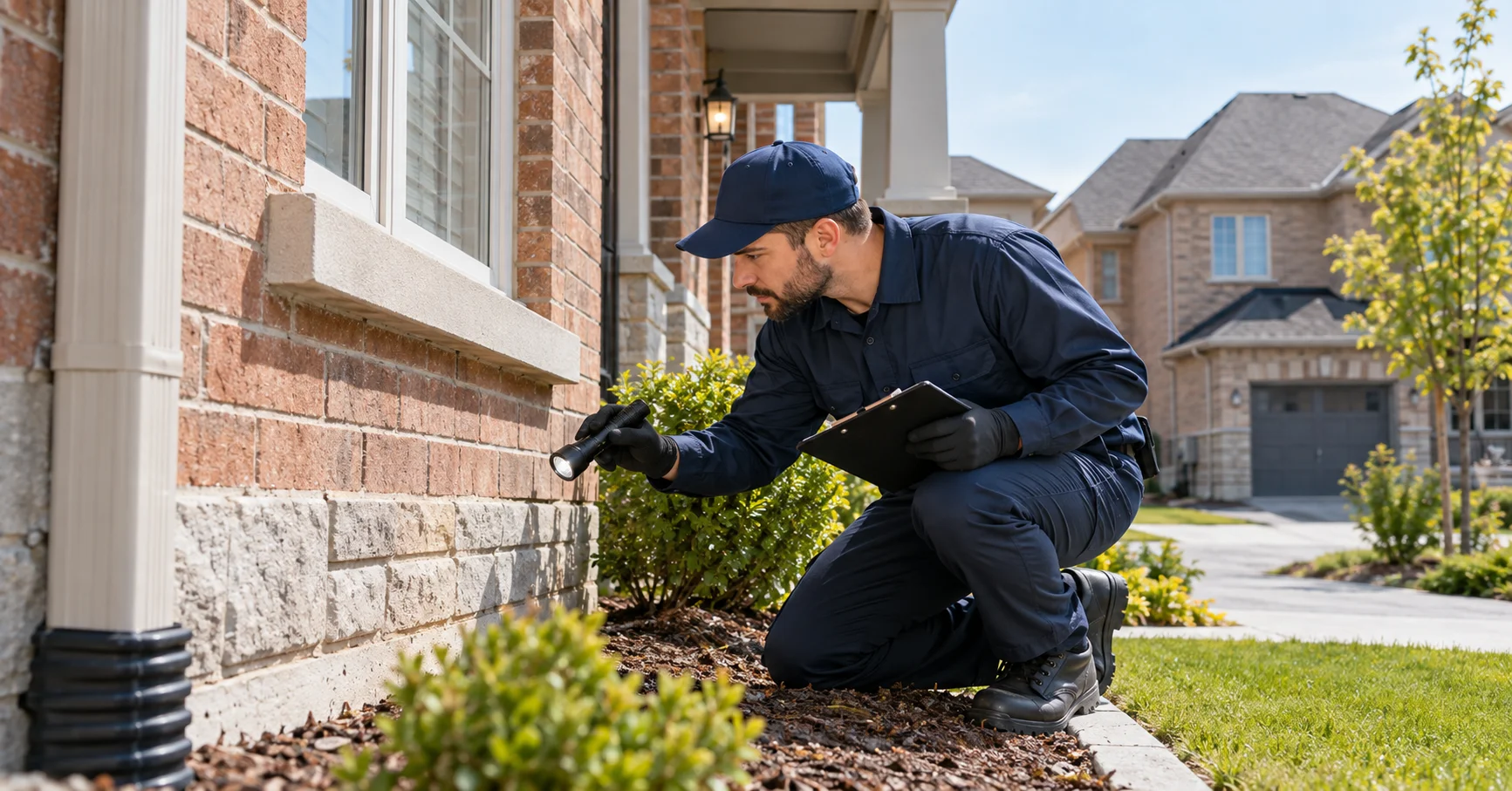
7 Common Pest Control Mistakes Homeowners Should Avoid
Pests can enter your home quietly and become a much bigger problem before you realize what is happening. Ants in the kitchen, mice in the basement, cockroaches around plumbing areas, wasps around the exterior, or other unwanted pests can affect your comfort and, in some situations, create property or health concerns.
One of the biggest mistakes homeowners make is waiting until a pest problem becomes obvious before taking action.
Effective pest management starts with identifying the pest correctly, understanding why it is entering your property, removing conditions that attract it, and choosing an appropriate control method. Health Canada recommends identifying the pest and considering physical or preventive measures before using pesticides.
If you are dealing with pests in your home or business in Brampton, Ontario, here are 7 common pest control mistakes to avoid.
1. Waiting Until the Infestation Gets Worse
Seeing one or two pests does not always mean there is a large infestation. However, repeated sightings, droppings, nests, property damage, or pest activity in multiple areas can indicate that the problem requires attention.
Waiting too long can give pests more time to establish hiding or nesting areas.
For example, mice can enter through surprisingly small openings, while ants and cockroaches can take advantage of cracks, gaps and other access points.
What you can do:
- Pay attention to repeated pest sightings.
- Look for droppings, nests, gnaw marks or damage.
- Check around doors, windows, foundations and utility openings.
- Keep food stored in sealed containers.
- Address moisture and standing-water issues.
- Contact a pest control professional when the problem continues.
Early identification can make pest management more straightforward.
2. Using the Wrong Treatment for the Pest
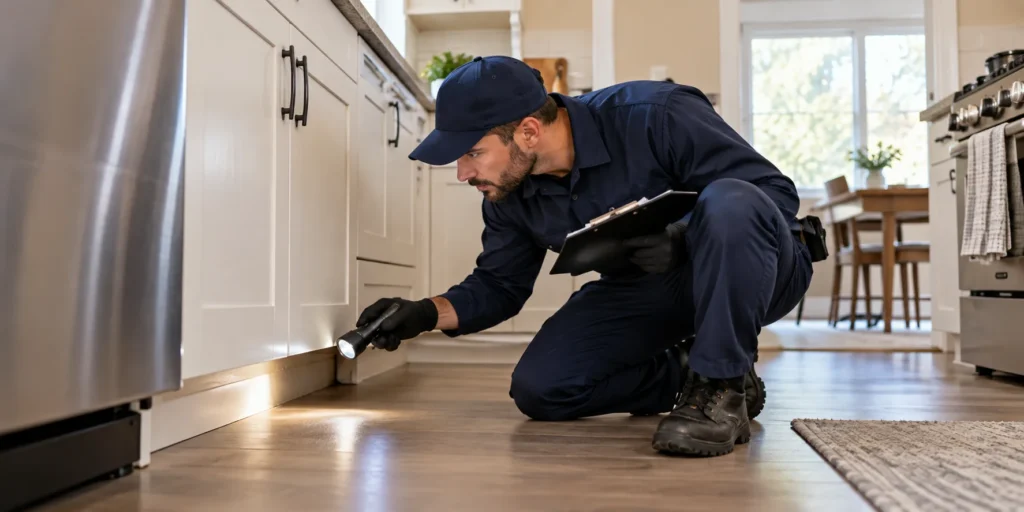
Different pests require different approaches.
An ant infestation should not necessarily be treated in the same way as a mouse problem, cockroach infestation or wasp nest. Misidentifying the pest can lead to an ineffective treatment and may allow the problem to continue.
Health Canada provides separate guidance for common pests such as ants, cockroaches, bedbugs, spiders, rats and mice because their behaviour and control methods differ.
What you can do:
Before attempting treatment, try to determine:
- What type of pest you are seeing.
- Where the pest is most active.
- Whether you are seeing individual pests or repeated activity.
- What conditions may be attracting them.
- Whether there are possible entry points.
If you are unsure what pest you are dealing with, professional identification can help determine the appropriate next steps.
3. Relying Only on DIY Pest Control
DIY products may appear convenient, but they are not always the right solution for every pest problem.
A homeowner may treat the visible pests without addressing the conditions that allowed them to enter in the first place. For example, spraying insects without sealing an entry point may not prevent additional pests from entering.
Health Canada recommends considering physical controls and environmental changes, such as removing food and water sources or preventing access, as part of pest management.
A more complete approach includes:
- Identifying the pest.
- Finding possible entry points.
- Removing food and water sources.
- Improving sanitation where necessary.
- Reducing clutter and hiding areas.
- Using appropriate control methods.
- Monitoring the property after treatment.
For persistent or significant infestations, professional pest control may be appropriate.
4. Ignoring Entry Points Around the Property
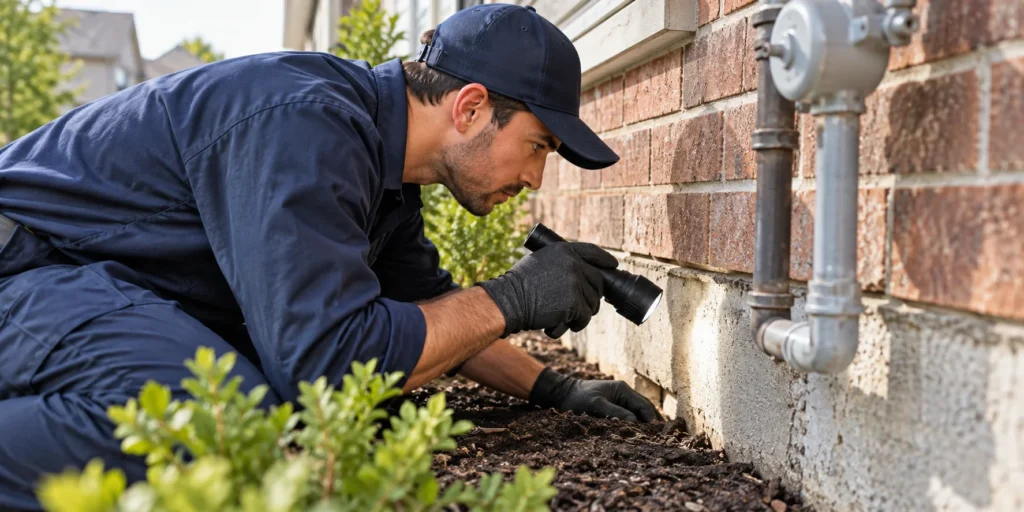
A pest problem can continue if pests can easily enter the building.
Small gaps around doors, windows, pipes, vents, foundations and utility openings can provide access for insects and rodents.
For rodent prevention specifically, public-health guidance recommends sealing gaps and openings around windows, doors, pipes and foundations, as well as reducing food and shelter sources.
Check these areas regularly:
- Foundation walls
- Garage doors
- Basement windows
- Exterior doors
- Utility penetrations
- Vents
- Roofline and soffit areas
- Cracks around windows
- Gaps around pipes
Preventing access is an important part of long-term pest management.
5. Leaving Food, Garbage and Water Sources Accessible
Pests need food, water and shelter to survive.
Uncovered garbage, food crumbs, standing water, pet food and damp areas can make a property more attractive to unwanted pests.
Simple housekeeping and property-maintenance habits can reduce these attractants.
Helpful prevention habits:
- Store food in sealed containers.
- Clean spills and crumbs promptly.
- Keep garbage containers closed.
- Avoid leaving pet food outside overnight.
- Repair plumbing leaks.
- Remove standing water.
- Keep storage areas organized.
- Clean areas where pests are frequently observed.
These measures do not replace professional treatment when an infestation is already established, but they can support long-term prevention.
6. Choosing a Pest Control Company Based Only on Price
Cost is an important consideration, but choosing a pest control company only because it offers the lowest price can create problems.
Before hiring a company, homeowners should understand what the quoted service actually includes.
For example, ask whether the service includes:
- Pest identification
- Inspection
- Treatment
- Follow-up visits
- Preventive recommendations
- Written information about the treatment
- Preparation instructions
- Warranty or service guarantees, if offered
Ontario has regulations governing pesticide use, and pesticide products must meet applicable federal and provincial requirements.
A reputable pest control provider should also be able to explain the proposed treatment and any preparation or safety instructions that apply.
7. Not Following Treatment Preparation and Safety Instructions
Another common mistake is failing to follow preparation or post-treatment instructions.
Depending on the pest and treatment method, you may need to remove food, clear access to treatment areas, keep people or pets away from treated areas, or follow specific ventilation and re-entry instructions.
Health Canada advises that pesticide labels contain important directions for safe use and that people and pets should stay away from treated areas when required until the product has dried or the label permits re-entry.
Always follow the instructions provided by your pest control professional and the applicable product label.
When Should You Call a Professional Pest Control Company?
You may want to consider professional pest control when:
- You repeatedly see pests inside your home.
- You find droppings, nests or signs of property damage.
- DIY methods have not solved the problem.
- You cannot identify the pest.
- You discover a wasp nest or other potentially hazardous pest activity.
- You suspect rodents are entering your home.
- Pest activity keeps returning after treatment.
- The infestation is affecting multiple areas of the property.
Prompt attention can help prevent a small pest concern from becoming a larger household problem.
Why Choose Shieldpoint Pest Control?
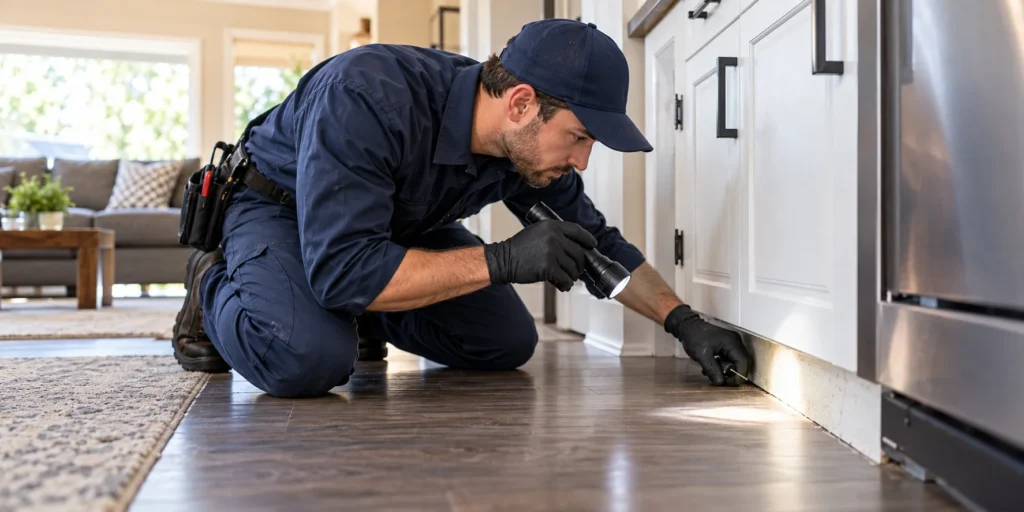
At Shieldpoint Pest Control, our goal is to help homeowners and property owners address pest concerns with a practical and professional approach.
We understand that every property and pest problem can be different. That’s why identifying the issue and understanding the conditions contributing to pest activity are important steps before deciding on an appropriate treatment strategy.
Whether you are dealing with recurring insects, rodents or another unwanted pest, Shieldpoint Pest Control can help you understand your options and take the next step toward a more comfortable property.
Contact Shieldpoint Pest Control
Phone: +1 437-599-2177
Email: shieldpointhomeinspection@gmail.com
Location: Brampton, Ontario, Canada
If you have noticed signs of pest activity in your home or property, contact Shieldpoint Pest Control to discuss your pest control needs.
Shieldpoint Pest Control — Helping Brampton homeowners take a proactive approach to pest management.